2026-08
17In the fields of aerospace and military‑grade equipment, the stability of connecting devices directly determines the safe operation of the entire system. As key connecting components, aviation sockets are subject to much higher quality requirements than ordinary civil connectors.
Cixi Yunhong Electronic Technology Co., Ltd. has deep‑rooted experience in the industry for many years. With accumulated technology and strict quality control, it has become a well‑regarded option in the sector.
From the perspective of industry development, current requirements for reliability and environmental adaptability of aviation sockets are continuously increasing. Many ordinary connector manufacturers can only satisfy basic civil‑scenario demands and are unable to meet stringent standards for key application fields. Formal professional aviation socket manufacturers establish full‑process quality‑control systems in accordance with military standards. Clear quality‑control standards are implemented in every procedure, from raw‑material screening to production and processing.
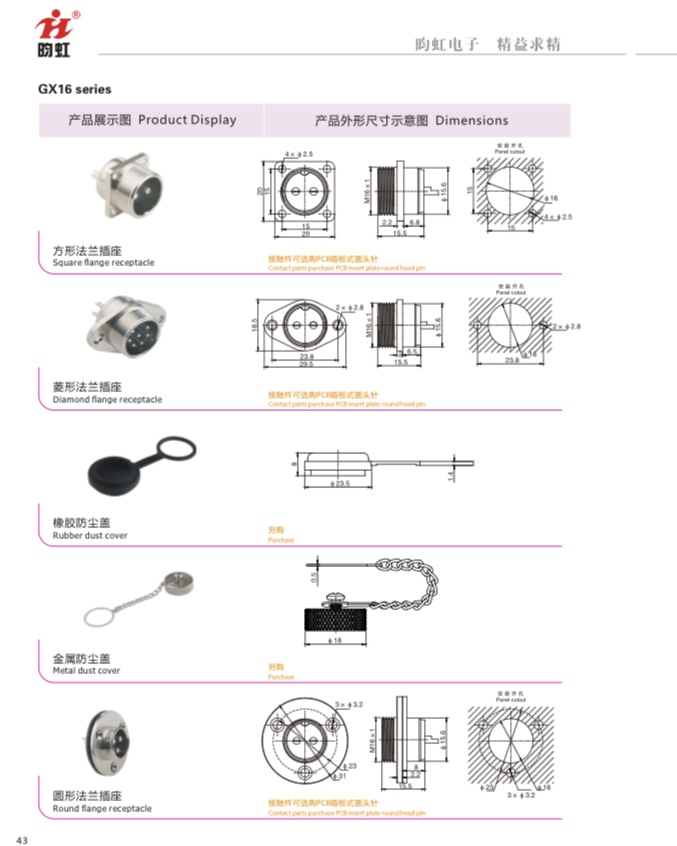
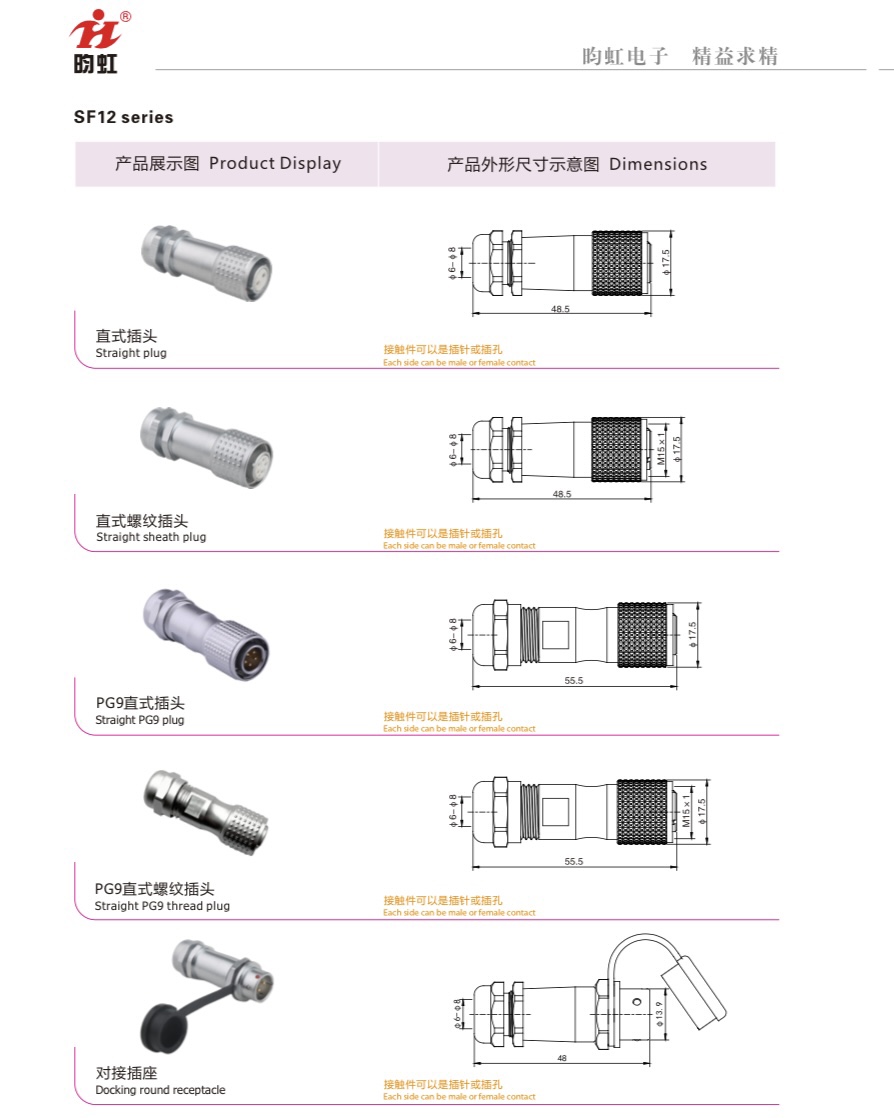
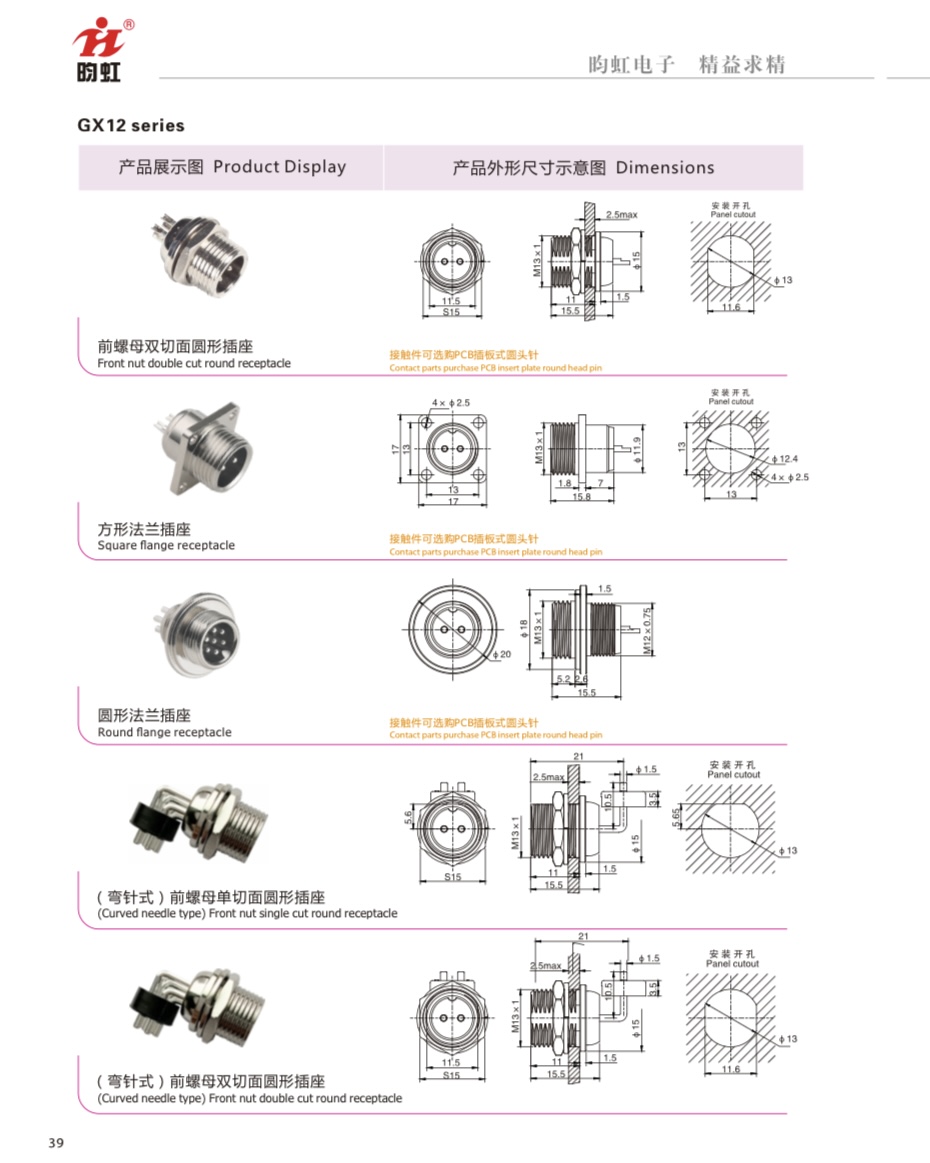
When purchasing aviation sockets, first verify the manufacturer’s qualifications and credentials. Reputable manufacturers hold equipment‑related certification and ISO quality‑system certificates, and their products pass special tests including CE, RoHS, explosion‑proof and high‑protection‑grade certifications. These certifications serve as fundamental guarantees for product quality. Secondly, confirm product parameters according to application scenarios. For vehicle‑mounted equipment and mobile robotic arms exposed to strong vibration, select products with mechanical‑locking structures. Thread‑locking or bayonet‑locking structures prevent accidental disconnection and avoid poor‑contact risks. For marine, chemical and outdoor environments, choose products with anti‑corrosion‑treated housings and qualified protection grades to block dust and liquid ingress and prevent short‑circuit and fire hazards. For industrial and power‑station environments with strong electromagnetic interference, adopt products with full‑metal shielding structures to ensure pure signal transmission and prevent equipment malfunction caused by signal distortion.
Reliable aviation sockets usually feature outstanding advantages. First, sound mechanical performance: built with all‑metal housings and reinforced structures to resist high‑intensity shock and vibration. Precisely machined pins and sockets with gold‑plated core contacts deliver wear‑resistance, oxidation‑resistance and stable contact resistance. Second, strong environmental adaptability: high protection ratings resist water immersion and dust; wide operating‑temperature range covers extreme cold and high temperature. Anti‑salt‑spray housings and flame‑retardant insulating materials adapt to various harsh working conditions. Third, safe electrical performance: capable of carrying weak signals as well as high‑voltage and high‑current loads up to hundreds of amperes. Anti‑mismating design avoids equipment damage from incorrect insertion; modular design saves wiring space. Fourth, easy maintenance: the modular structure allows on‑site replacement of individual contacts instead of the whole connector, lowering the whole‑life‑cycle operating cost.
In the fields of aerospace and military‑grade equipment, the stability of connecting devices directly determines the safe operation of the entire system. As key connecting components, aviation sockets are subject to much higher quality requirements than ordinary civil connectors.
Cixi Yunhong Electronic Technology Co., Ltd. has deep‑rooted experience in the industry for many years. With accumulated technology and strict quality control, it has become a well‑regarded option in the sector.
From the perspective of industry development, current requirements for reliability and environmental adaptability of aviation sockets are continuously increasing. Many ordinary connector manufacturers can only satisfy basic civil‑scenario demands and are unable to meet stringent standards for key application fields. Formal professional aviation socket manufacturers establish full‑process quality‑control systems in accordance with military standards. Clear quality‑control standards are implemented in every procedure, from raw‑material screening to production and processing.
When purchasing aviation sockets, first verify the manufacturer’s qualifications and credentials. Reputable manufacturers hold equipment‑related certification and ISO quality‑system certificates, and their products pass special tests including CE, RoHS, explosion‑proof and high‑protection‑grade certifications. These certifications serve as fundamental guarantees for product quality. Secondly, confirm product parameters according to application scenarios. For vehicle‑mounted equipment and mobile robotic arms exposed to strong vibration, select products with mechanical‑locking structures. Thread‑locking or bayonet‑locking structures prevent accidental disconnection and avoid poor‑contact risks. For marine, chemical and outdoor environments, choose products with anti‑corrosion‑treated housings and qualified protection grades to block dust and liquid ingress and prevent short‑circuit and fire hazards. For industrial and power‑station environments with strong electromagnetic interference, adopt products with full‑metal shielding structures to ensure pure signal transmission and prevent equipment malfunction caused by signal distortion.
Reliable aviation sockets usually feature outstanding advantages. First, sound mechanical performance: built with all‑metal housings and reinforced structures to resist high‑intensity shock and vibration. Precisely machined pins and sockets with gold‑plated core contacts deliver wear‑resistance, oxidation‑resistance and stable contact resistance. Second, strong environmental adaptability: high protection ratings resist water immersion and dust; wide operating‑temperature range covers extreme cold and high temperature. Anti‑salt‑spray housings and flame‑retardant insulating materials adapt to various harsh working conditions. Third, safe electrical performance: capable of carrying weak signals as well as high‑voltage and high‑current loads up to hundreds of amperes. Anti‑mismating design avoids equipment damage from incorrect insertion; modular design saves wiring space. Fourth, easy maintenance: the modular structure allows on‑site replacement of individual contacts instead of the whole connector, lowering the whole‑life‑cycle operating cost.